Plastic, Coral Reefs, and "Dead Zones"?
PLASTIC
People use plastic everyday. But do they realize how much it's effecting our planet? Plastic bags are made with petroleum. Petroleum for those who don't know is natural gases and other chemicals. It is toxic towards our environment, which means it's poisonous. Plastic can be prevented in all sorts of ways. There are many alternatives like using reusable bags, not getting a plastic cup or straw when you go places. Next time you want to buy a plastic item, think where it might end up next. There is potential that it could even end up inside your body in certain cases. The ocean animals swallow the plastic, and the humans for example will eat fish that could have trash inside their body, and who knows, it could be in yours next.
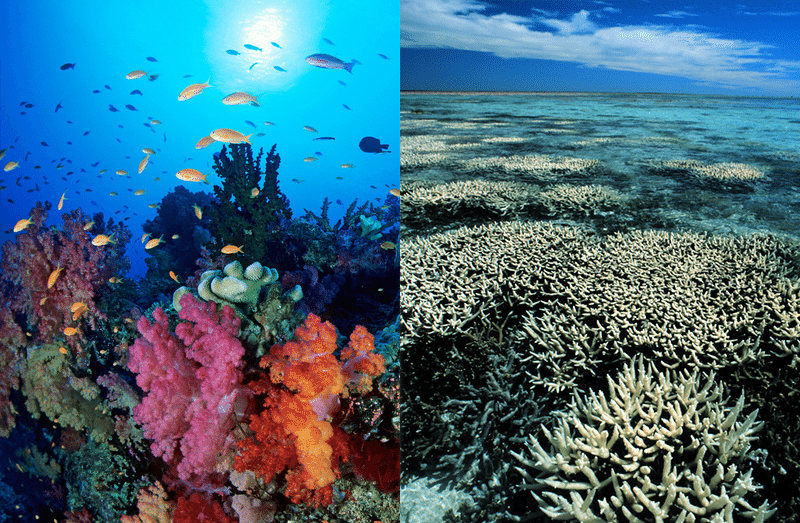
CORAL REEFS
Coral reefs are being destroyed not only from plastic in the ocean, but from oil and fertilizer too. Coral reefs may only cover less than 1% of all Earth, but millions of people rely on them, such as with food. A big reason why they are dying is due to the plastic in the oceans. They will cover the reefs, making it difficult for the reefs to absorb sunlight, and stay alive.
"WHAT IS A "DEAD ZONE?"
Dead zones are certain areas in the ocean that can't get enough oxygen for the animals to survive, causing them to die. The way you can tell if there is a dead zone is to simply see if there are any ocean animals swimming around in that area. There are many different ways people can help stop dead zones from occurring. By eating less meat, and investing in less gas for your vehicles, it can help from polluting the air, and save the innocent animals that are being killed just so we can enjoy their meat.
Nitrogen and phosphorus are taking over our oceans and the air we breathe. Yes, it helps algae and plants grow. But there's too much being put into the oceans and the air causing algae to grow even faster, making the environment unable to handle it. With algae growing even faster than before, it is polluting the water and the air, causing all the algae to get rid of the majority of our oxygen that's in the water. When this happens, it leads to a variety of ocean animals such as fish, getting an illness/ disease and potentially dying.
Citations
Hocevar, John. "What's Killing Coral Reefs? And How Can We Stop It?"
Greenpeace, 4 Apr. 2016, www.greenpeace.org/usa/
whats-killing-coral-reefs-and-how-can-we-stop-it/.
Kirkpatrick, Karen. "What If All the Coral Reefs Disappeared? ."
Howstuffwork, science.howstuffworks.com/science-vs-myth/what-if/
what-if-all-coral-reefs-disappeared.htm. Accessed 2019.
"Stop Nitrogen Pollution of Oceans- Green Algal Slime Busters." Ocean River
Institute , www.oceanriver.org/causes/stop-nitrogen-pollution-of-oceans/.
Accessed 2019.
This information is really scary. It's sad to know that this is happening to the environment especially the oceans. It's scary to think that we are producing so much nitrogen and other things that we are making too much for the earth/ the environment to handle. It's also crazy to think that the plastic we use could end up in not only in the stomachs of animals in the ocean but as well as ours! I really enjoyed your information that you wrote and it was very eye-opening!
ReplyDeleteYeah! It's really scary knowing how fast this is affecting our environment. There's so many alternatives that could be used, but so many people think that them not helping won't make a difference.
DeleteGood information, Lauren. Did you find any information out about what impacts the algae would have on people?
ReplyDeleteDon't forget to make it clear where you used the sources you have listed, and try to reference the source texts (in this case the TED Talks) more clearly and specifically.
Nice hook, it really grabbed my attention. Also great use of your information, hearing about what is plastic bags doesn't sound so great.
ReplyDeleteIt makes me so sad to think about this. If you go to the supermarket and look around, there is plastic everywhere. I think about ways this could be improved, but it would require such a shift in the way people shop. Imagine huge dispensers of cheerios, for example, and you bring your own canister to fill it and pay by weight, eliminating the need for the plastic and cardboard packaging. Is this what shopping might look like in the future? I don't think recycling alone is going to be the answer. Maybe we really don't need 500 different kinds of cereal to choose from at the supermarket.....
ReplyDeleteyou have key information like mentioning dead zones, plastic, gasses, and what's happening to coral reefs. You provide good detail and explain yourself clearly of what the issues our. Are there any other problems like climate change affecting coral reefs and the environment? As an individual how can you start helping this cause?
ReplyDelete